IoT Skill Lab
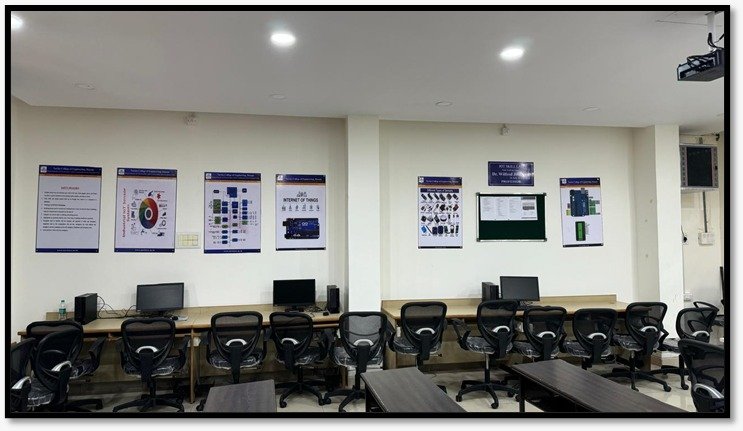
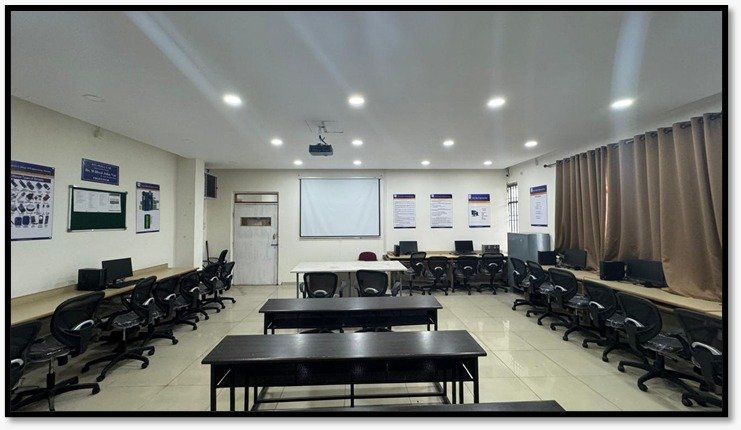
The IoT Skill Lab at Navkis College of Engineering, Hassan is a dedicated, state-of-the-art facility established by the Department of Electronics & Communication Engineering to provide hands-on, experiential learning in the rapidly evolving domain of the Internet of Things (IoT). The lab bridges the gap between theory and practice by enabling students to design, build, and test real-world IoT systems.
Purpose & Vision
The IoT Skill Lab is designed to:
- Equip students with industry-relevant IoT skills
- Promote project-based and problem-based learning
- Encourage innovation, critical thinking, and teamwork
- Prepare learners for careers in IoT, smart systems, automation, and data-driven applications
Training Structure
The training is structured in progressive levels, aligned with the VTU Skill Lab framework and institutional curriculum.
Level 1 – Basic (Semester 3)
Focuses on fundamentals of IoT and microcontroller-based system design using Arduino.
- Arduino Uno programming using Arduino IDE
- Interfacing sensors and actuators
- GPIO, PWM, displays, motors, and buzzers
- Mini projects addressing real-world problems
Learning Outcome: Students gain strong foundations in sensor interfacing, automation, and prototype development.
Level 2 – Intermediate (Semester 5)
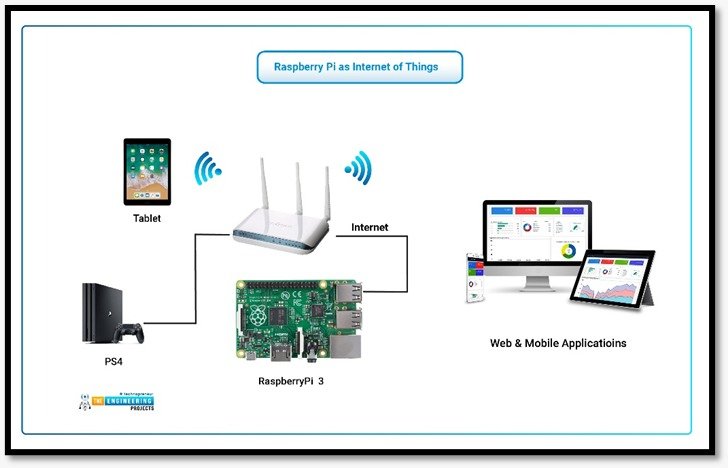
Emphasizes connectivity, wireless communication, and cloud integration using NodeMCU and Raspberry Pi.
- Wi-Fi, Bluetooth, GSM, GPS interfacing
- Cloud platforms for data publishing and visualization
- Web-based device control and monitoring
- Camera interfacing and advanced mini projects
Learning Outcome: Students design connected systems with device-to-cloud and device-to-device communication.
Level 3 – Advanced
- Training by external industry experts and vendors
- Exposure to advanced IoT use cases and industrial practices
- Orientation towards research, innovation, and startups
Major Equipment & Infrastructure
The IoT Skill Lab is equipped with modern hardware and tools, including:
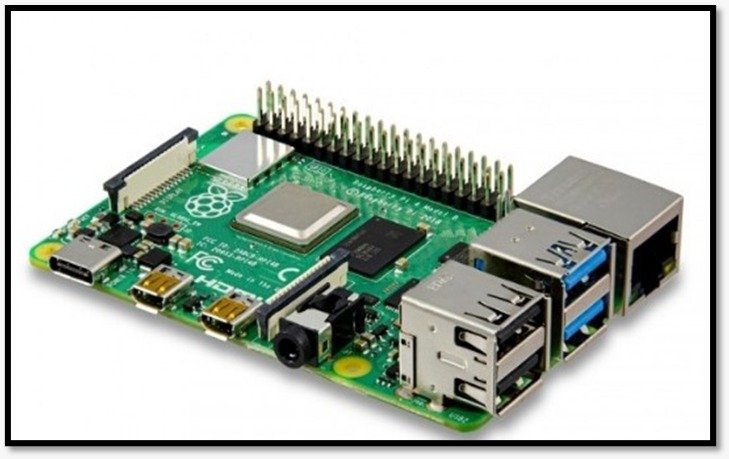
- Arduino Uno boards and Raspberry Pi kits
- NodeMCU and wireless communication modules
- Sensors: Temperature & Humidity, Gas, Soil Moisture, LDR, PIR, Ultrasonic
- Actuators: DC, Servo, Stepper Motors, Relays
- LCDs, buzzers, cameras, and measurement instruments
- High-performance computing systems with internet connectivity
Teaching–Learning Approach
- Demonstration-based and hands-on laboratory sessions
- Mini-project-driven learning with societal and industrial relevance
- Team-based experimentation, documentation, and presentations
- Integration of cloud platforms and introductory AI/ML concepts for data analytics
Student Outcomes & Benefits
- Strong practical exposure to IoT hardware and software ecosystems
- Enhanced placement readiness through skill-based training
- Ability to design solutions for smart homes, agriculture, healthcare, and industrial automation
- Foundation for advanced domains such as Robotics, Drones, Smart Infrastructure, and Embedded AI
Future Readiness
The IoT Skill Lab is envisioned as a scalable innovation space, with planned expansion into emerging technologies such as Robotics, Drones, and 3D Printing, ensuring students remain future-ready and industry-aligned.
The IoT Skill Lab at Navkis College of Engineering stands as a cornerstone for experiential learning, innovation, and skill development—transforming students into competent, industry-ready engineers.